Which District in South India Has No Railway Line Even in 2026?
Even as Indian Railways expands its high speed connectivity network nationwide, several highland districts in South India, including Wayanad and Kodagu, remain completely off the rail map. Here is a look at why these regions lack train tracks and where new projects stand today.
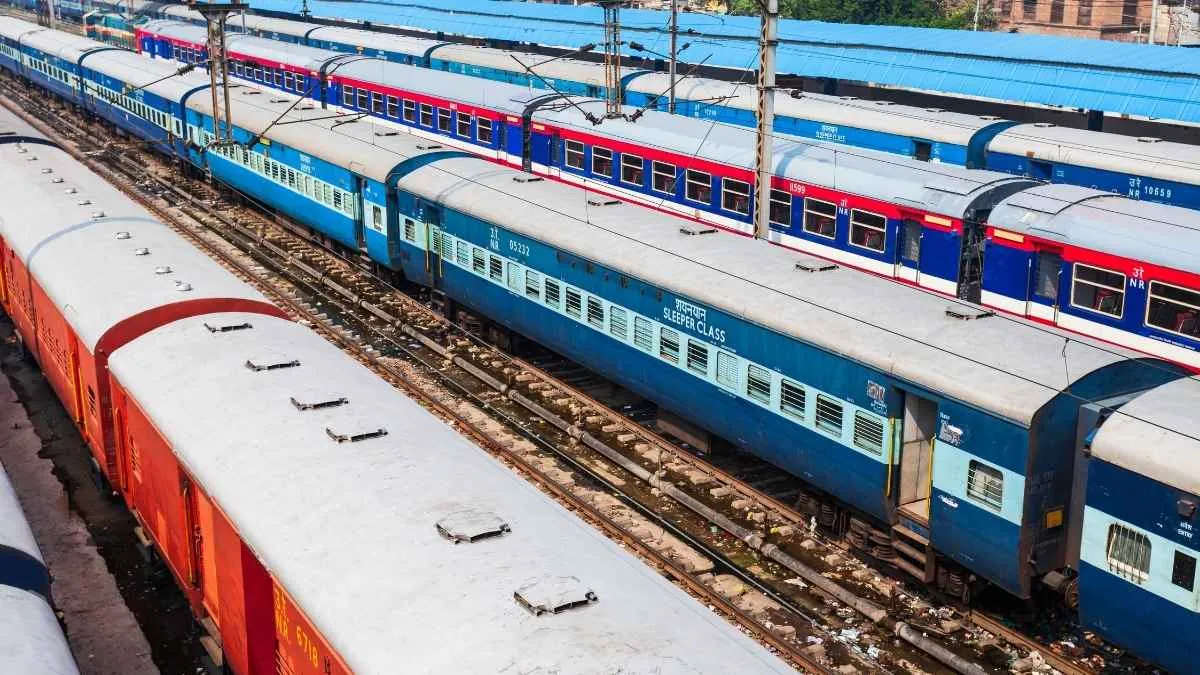
The rail network of India is growing rapidly with bullet train corridors and the development of the Vande Bharat Express but the basic question still lingers that 'Which district in South India lacks a rail network even in 2026?'
Transit is quite convenient for majority of Indian districts in South India. But high altitude areas such as Wayanad and Idukki in Kerala and Kodagu in Karnataka lack any rail link.
When you drive through the winding Western Ghats ghat roads yourself it is easy to see the contrast.
State highways are replaced by exhaust from the diesel trucks since the railway trains cannot come to such hilly routes. Road transport becomes essential for local business and local tourism activities.
But these hills are cut off from the rest of the country’s railway network despite the presence of the Sabari Rail Project that faces problems in land acquisition and environmental clearances in Kodagu.
The South Indian Districts Living Without Railway Lines in 2026
The rest of peninsular India moves towards rapid rail connectivity but two prominent hill regions stand out for having no operational train tracks till date:
| District with no Railway Line | South Indian State | Nearest Railhead | Primary Transport Mode |
| Wayanad | Kerala | Kozhikode (CLT) | State Transport Buses and Private Cabs |
| Kodagu | Karnataka | Mysuru (MYS) | Interstate Bus Lines and Freight Trucks |
| Idukki | Kerala | Ernakulam / Kottayam | Mountain Roads and KSRTC Buses |
Wayanad in Kerala
Wayanad is high up in the Western Ghats and has no railway lines or train stations. So visitors coming to Kalpetta or Sultan Bathery get off at Kozhikode, over 75 km away down a steep ghat road.
Kodagu or Coorg in Karnataka
Coorg is the only district in Karnataka without a single rail line and is the famous coffee land of Karnataka. The nearest major terminal at Mysore is about 95 km away.
Idukki in Kerala
Idukki is infamous for its tea estates in Southern India yet it lacks passenger railway coverage.
Why Rail Projects Face Roadblocks in the Western Ghats
Building tracks through South India's hill country is far more complex than laying concrete on flat terrain. Two major factors consistently delaying or canceling rail network projects in South Indian districts are-
1. Ecological Preservation Concerns
The Western Ghats rank among the most sensitive biodiversity hotspots in the world. Local communities in Kodagu have long opposed rail proposals to protect pristine forest cover and prevent soil erosion.
Mysuru Kodagu MP Yaduveer Krishnadatta Chamaraja Wadiyar recently clarified that the Ministry of Railways currently has no active proposal to lay tracks through Kodagu to ease environmental worries.
2. Land Acquisition Delays
The Sabari Rail Project which has been pending for some time, aims to connect Angamaly to Erumeli. It will improve access to the interior highland regions if completed. The project has seen its cost estimates rise due to slow land acquisition handovers by state revenue authorities.
Union Railway Minister Ashwini Vaishnaw has already allocated budgetary funds for the corridor but ground implementation remains stalled over compensation disputes.
Modern Highway Corridors Replace Railway Tracks in South Districts
Building rail lines through fragile hills of South India presents steep engineering challenges governments are transitioning toward high speed road access instead. Rather than waiting decades for rail tunnels projects like the Mysuru Kushalnagar Expressway are being fast tracked to connect Kodagu to major economic centers. This strategy preserves sensitive ecology while giving highland communities the freight and passenger transit capacity they urgently need.

Harshita Singh is an education and general knowledge journalist with over 5 years of experience in educational writing. Specializing in US affairs and GK, Harshita has a track record of breaking down intricate geopolitical and historical subjects into clear, digestible insights for learners. Her strong background in text analysis, coupled with a Bachelor of Arts (Hons) in English from the University of Delhi, helps her produce authoritative, thoroughly researched content that empowers readers to engage confidently with global current affairs. For inquiries or academic insights, you can reach out to her directly at harshita.singh@jagrannewmedia.com.





![[Link Active] RRB NTPC UG CBT 2 Answer Key 2026 LIVE: Download CEN 07/2025 Response Sheet PDF](https://img.jagranjosh.com/images/2026/September/2492026/RRB-NTPC-UG-CBT-2-Answer-Key-2026.jpg)